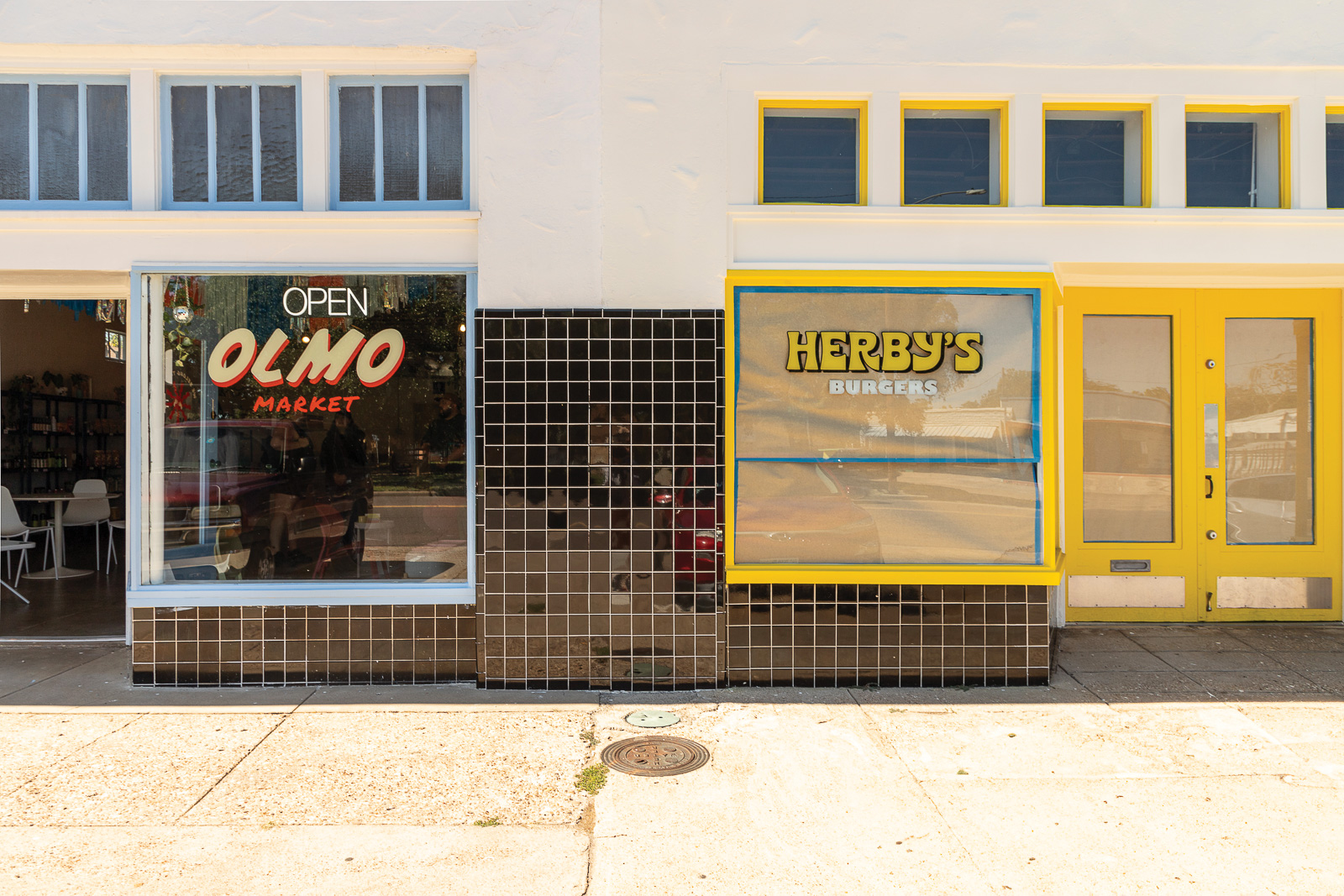
Oak Cliff Pizza re-opened under new ownership and a slightly different name: David’s Oak Cliff Pizza.
The owners of Veritas and Restaurant Ava have renamed their planned Bishop Arts restaurant Boulevardier.
Driftwood, newly-open in the former Con-fusion space on Davis, gets high marks for its stylish interior, ambitious menu and well-priced wine list. The space is light and airy, with (not surprisingly) driftwood wall hangings.
The large plate menu is varied, from rabbit to grilled octopus to roast chicken, and the small plate menu offers appetizers that would suffice for a light meal, e.g., the pork rillettes. The wine list is small but varied with good prices for interesting wines from around the world. Prices are not out of line for the quality and uniqueness of the food, but it’s not a place for weekly, inexpensive dinners.
Mesa is celebrating its one-year anniversary next month, and the owners are building a dining patio in back. They hope to have it open by the May 11 anniversary party. Owner Raul Reyes says he is scouting locations for a second Mesa, which he hopes to open by the end of the year.
Driftwood, a new restaurant in the old ConFusion space, opened this week. Chef Omar Flores, formerly of Abbacus, serves high-end seafood. (Read Scott Chase’s review.)
Emporium Pies, from bakers Meagan Wilkes and Mary Gauntt, has leased 314 N. Bishop. Emporium Pies had a pop-up shop there during Oak Cliff Mardi Gras, and now they’re going to be a Bishop Arts fixture.
Total Wine, a large regional chain, is supposed to open in Dallas shortly. Throw in Trader Joe’s, which is supposed to open this fall, and Spec’s, Texas’ largest chain, which opened at the end of last year (as well as all of the current retailers), and we have an abundance of wine choices — not just more than we’ve ever had, but lots and lots more.
Which will not only drive the retailers crazy (and probably put a couple out of business), but give consumers more choice and lower prices. How can I argue with that?
Case in point is the Vin Gourmand ($13, purchased, available at Spec’s), a white Rhone blend. It’s a style of wine not much sold here; Dallas is an oaky California chardonnay kind of town when it bothers with white wine, and that’s usually an afterthought to red. And, when you do find a white Rhone, it’s usually a couple of dollars more than in the rest of the country. So, when I saw the Gourmand and for less than elsewhere, you can imagine how quickly I scooped it up.
My enthusiasm was amply rewarded. This is quality wine at a terrific price — a blend of grenache, roussane and viognier that is fresh and clean, with lime and apricot fruit (the latter from the viognier). It’s not overly complex, but it’s not lacking in a middle or finish, either, and even has a bit of stoniness on the end. This is perfect warm weather wine that will pair with almost any kind of summer food. Given that we’ve already been in the 90s, this is a a welcome addition. Highly recommended.
I have a Bolsa Mercado problem. Every time there is a rumble in my tum, or my thoughts turn to coffee, it immediately triggers a Bolsa Mercado Blast. That’s a much better problem to have than, say, a Mac Attack or a Taco Bell Bender, or even a 7-Eleven Obsession, all of which are terrible middle class problems from which I have suffered tremendously.
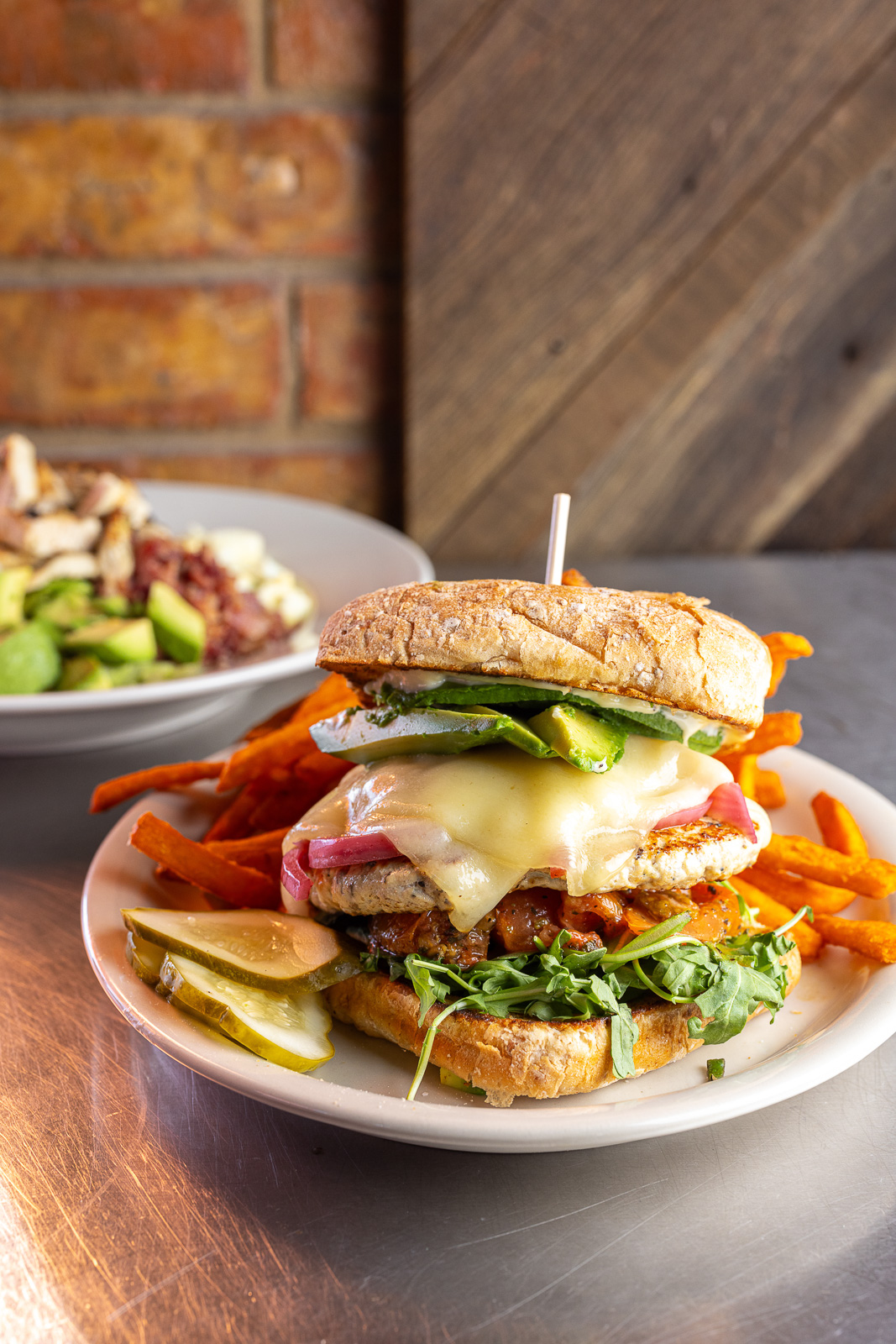
My Bolsa Mercado problem comes on a ciabatta roll with house-smoked turkey, avocado spread, sharp cheddar, pepper relish, bacon and arugula. Or sometimes, ciabatta with pastrami, pickles, spicy mustard and red cabbage. The house-made pimento cheese on sourdough toast made me slap my actual grandmother (sorry, Nana). And there’s a chicken salad sandwich with grapes, celery and walnuts that I haven’t tried yet, but I am sure it is dreamy.
All of these sandwiches cost about $7, and they don’t come out Subway-fast. Even with no line, expect to wait a few minutes for your divine sammy. It’s worth it.
We also like the kolaches, all of them — wild boar and fontina, apricot and cream cheese, they’re all good. Bolsa Mercado also offers salads, cookies and all manner of sweets, pizzas and more. Plus, there is a juice bar.
With its good lighting, long central table and ergonomic chairs, Bolsa Mercado is one of the best places to work in Oak Cliff, and it’s a good place to have a meeting outside the office.
Bolsa Mercado reminds me of one of those little grocer/delis in Marfa. And even though we don’t have to drive 100 miles to the nearest supermarket, we are a little island here in Oak Cliff, and Bolsa Mercado’s groceries are more in the Marfa price range. The same bottle of wine you could buy at Whole Foods for $11.99 will run you about $14.99 here. But they do carry fresh-baked bread from Empire Baking Co., Nitschke Natural Beef, locally produced ice cream and lots of other high-end groceries. It’s not cheap, but it’s convenient.
During a #winechat discussion last week about local wine, one of the questions I got was how regional wine producers could make it easier for Americans to drink wine that wasn’t called chardonnay, cabernet, and merlot. Many regional wines are made with grapes most consumers aren’t familiar with, like blanc du bois, viognier and tempranillo; hence, they’re reluctant to try them.
My suggestion: Don’t call the wines by their varietal name, which too many wineries feel compelled to do for reasons I’ve never been able to figure out. Call them something fun or interesting or inventive.
Case in point is the El Posadero ($10, purchased, available at Central Market), a tempranillo blend that is more or less the Spanish equivalent of U.S. regional wine. It comes from a less respected region around Madrid, and not the better known tempranillo appellations of Rioja or Ribera del Duero. This means the wine starts out with an image problem, especially for U.S. consumers. Calling it El Posadero goes a long way towards fixing that. Even if you don’t know what El Posadero means (innkeeper, actually, and there’s a picture of an inn on the label), it sounds Spanish and intriguing.
And it’s a pretty nifty wine, too. The El Posadero is blended with syrah, but doesn’t have as much fruit as I thought it would (and is actually a little old-fashioned in spirit). Look for an almost spicy wine with some cherry fruit and lots of acidity — practically sour cherry tart. It needs food, like smoked chicken or beef, but that’s part of the appeal of the wine.
There are a couple of importers whose wines are so trustworthy that I will buy them regardless of what’s in the bottle. Kermit Lynch, of course, for French wine, and Ole Imports and Patrick Mata for Spanish wine.
Mata’s passion for Spanish wine is famous, and his palate is exceptional. Which is why I trust Ole implicitly. Otherwise, a wine like the Zestos would raise all sorts of red flags. It’s a white wine from a region in Spain best known for red wine, and the red wine doesn’t have all that great a reputation. Its color is different, sort of off-yellow, and it’s made with a grape, the malvar, that is obscure even for those of us who appreciate obscure. Malvar, grown only in that part of Spain, is not even listed in the incredibly comprehensive Winegrape Glossary.
My faith, not surprisingly, was rewarded. The Zestos ($10, purchased, available at Central Market) is unique, though it had some similarity to the Gascon wines I like, including a little white grapiness. It is simple, but definitely Spanish in style — less fruit than the Gascon wines (some lemon, maybe) with a stone fruit pit kind of finish. One tasting note described the finish as bitter almonds, and that works, too.
Drink this chilled on its own or with a any week night dinner that calls for white wine. It’s a candidate for the 2013 $10 Hall of Fame, and is highly recommended. Just don’t expect it to taste like something you’ve tried before.
I wish I had better news for you guys, but hey, at least a Chinese buffet is approximately equal to a Luby’s?
I mean, just think of all the things it’s NOT going to be: Pawn shop, drive-through beer store, payday loan place, Walmart…
It’s not easy finding cheap cabernet sauvignon that tastes like cabernet sauvignon. Too many of them are fruity and sticky, without the heft and tannins that cabernet is supposed to have — call them cabernet lite. Or, if they taste like cabernet, they cost at least $20, and that’s not the point of what we do here.
How rare are these wines? I have only written about a half dozen or so cabernets in this space in the past year — hardly a proportion that compares to cabernet’s popularity. It’s the most sold red wine, and second overall in popularity to chardonnay.
The other irony? That many cabernets that do are well made and inexpensive are produced by the huge mutinationals that get so much criticism from the wine world, like the Columbia-Crest that appeared here in February. The Edna Valley ($15, sample, widely available), part of the E&J Gallo empire, fits into the same mold. In this, it’s another reminder that tasting the wine is always a good thing to do before deciding if you like it — something, sadly, that even I ometimes forget.
The Edna Valley is top notch inexpensive California cabernet. It’s less fruity than similar wines, even though it’s from Paso Robles, where fruity is part of the winemaking style. Still, there is a nice a dose of what may be boysenberry, as well as almost silky tannins and a chalky, grippy finish. Given those adjectives, you can probably tell that I really liked the finish. Serve this with red meat, especially as the weather warms up and it’s backyard barbecue time.