Photo: Dallas Zoo Facebook
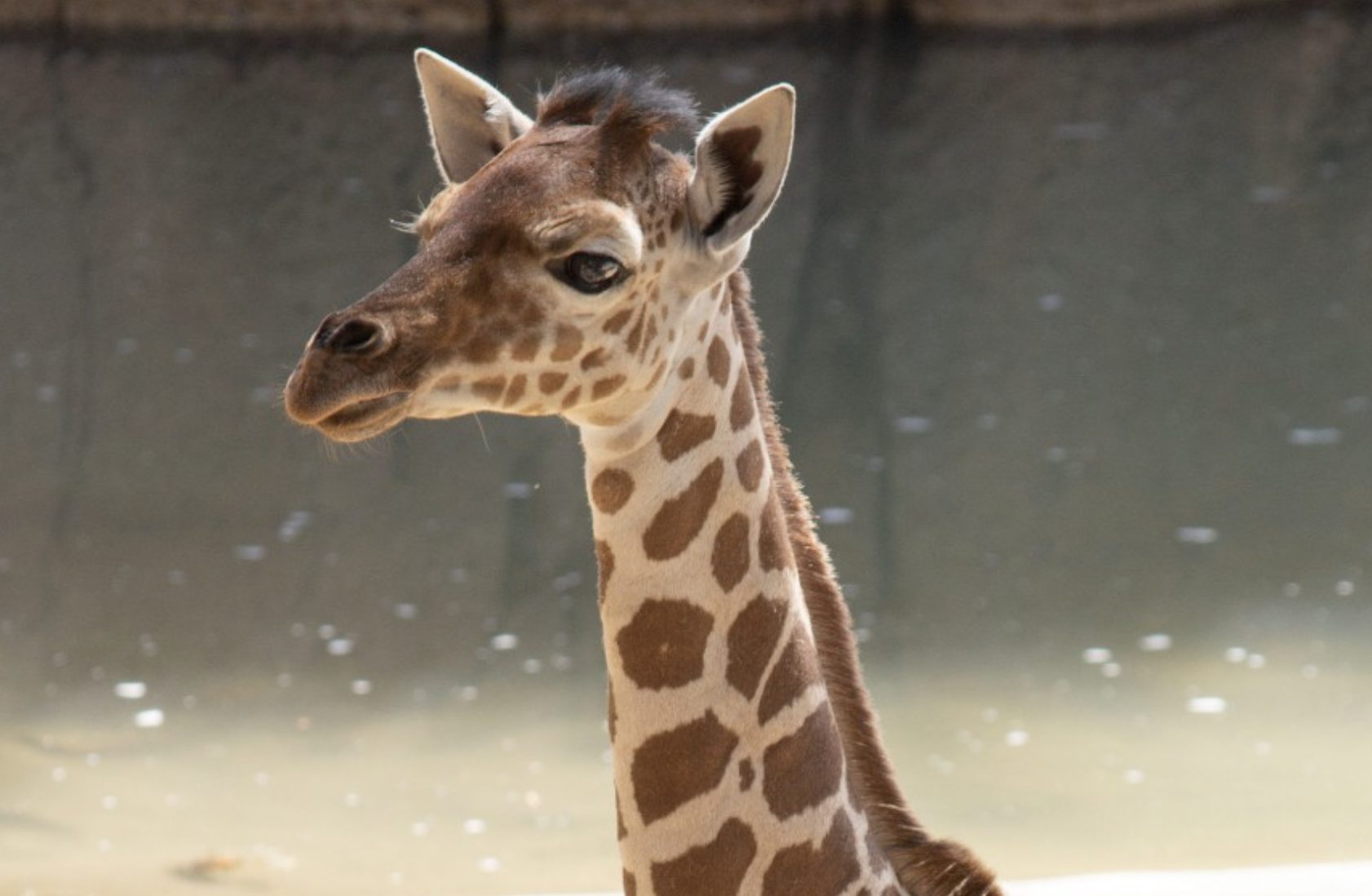
The Dallas Zoo reports its staff is devastated following the OCT. 3 death of Marekani, a calf born at the zoo July 4.
The Zoo reported the death to the public Tuesday on Facebook.
Zoo staff on Saturday saw the three-month old giraffe limping and placed Marekani and her mother, a giraffe called Chrystal, in a space where they could more closely observe her.
“The veterinary team performed a visual examination and did not see any external wounds, severe swelling, or deviation of the leg at that time,” noted the zoo’s social media team. “Pain medication was prescribed, along with a plan to allow her to rest overnight and re-evaluate her in the morning.”
However, by Sunday, the swelling and obvious pain had increased. The veterinary staff sedated the animal and doctors examining her made the disappointing discovery.
The giraffe was suffering with a dislocated right elbow, fractures in both the radius and ulna, and fractures through her growth plate, according to the zoo, whose team explained that the growth plate injury meant the giraffe’s bone would not grow correctly and would result in long-term orthopedic deformities and incurable painful arthritis.
“Due to their large stature and because giraffes bear the majority of their weight on the front limbs, it is nearly impossible to repair an injury like this in a way that is robust enough to stand up to the normal stress of movement and activity. Sadly, injuries like this are catastrophic for giraffes, and there was no hope of recovery.”
Later on Sunday, the animal care team euthanized Marekani.
The Dallas Zoo, which has lost three of its giraffes in recent years, concluded its statement with the following:
“At this time, we are uncertain how Marekani sustained this injury, but we are working diligently to gather information. As with any event like this, we will use this as an opportunity to evaluate every element of the situation and identify any changes we can make to prevent future incidents. Although she was only with us for a short time, Marekani captured the hearts of Zoo staff, guests and the public alike. She will be dearly missed.”
The zoo’s decision to share the information on social media is an interesting one. Its Marekani post has garnered almost 2,000 comments (since Tuesday night, as of Wednesday morning).
Many of the commenters—as well as concerned press members such as Teresa Gubbins over at Culture Map—have plenty of questions and criticism for the zoo.
“As is so often the case at the Dallas Zoo, the staff is clueless as to how the injury occurred,” Gubbins writes.
“… it is natural to wonder if there is something within the habitat that can be improved when numerous young giraffes have died here,” noted Facebook commenter Kristen Calvert. “You can be supportive of the zoo and also question the frequency of tragic accidents within a specific enclosure— the two are not mutually exclusive.”
Another budding zoologist/Facebook commenter calls the giraffe deaths “suspish.”
The zoo’s social media account handler responded to one such comment, repeating the promise to make any changes deemed necessary and adding,”The giraffe calves we have lost in recent years, including Marekani, have been tragic accidents and all unrelated.”
Many others pointed out that giraffe calves have a high mortality rate—50 percent die in the wild, while 25 percent die in captivity, says a veterinarian quoted in this Columbus Monthly article, which suggests they are among the more challenging species to care for, in part because of size, long necks and thin legs.
“Physiologically, they are so unique, but it comes at a cost. There are so many things that can go wrong,” Lewis Greene, Columbus Zoo veterinarian, told the publication.
A Morning Call article detailed deaths of giraffes across the country in 2017.
Once we have spoken to the folks at the zoo and other experts, we’ll have more for you on this story.