The early seeds of Jessica Gomez’s calling were planted on park benches beside her father, where her curiosity about people first took root.
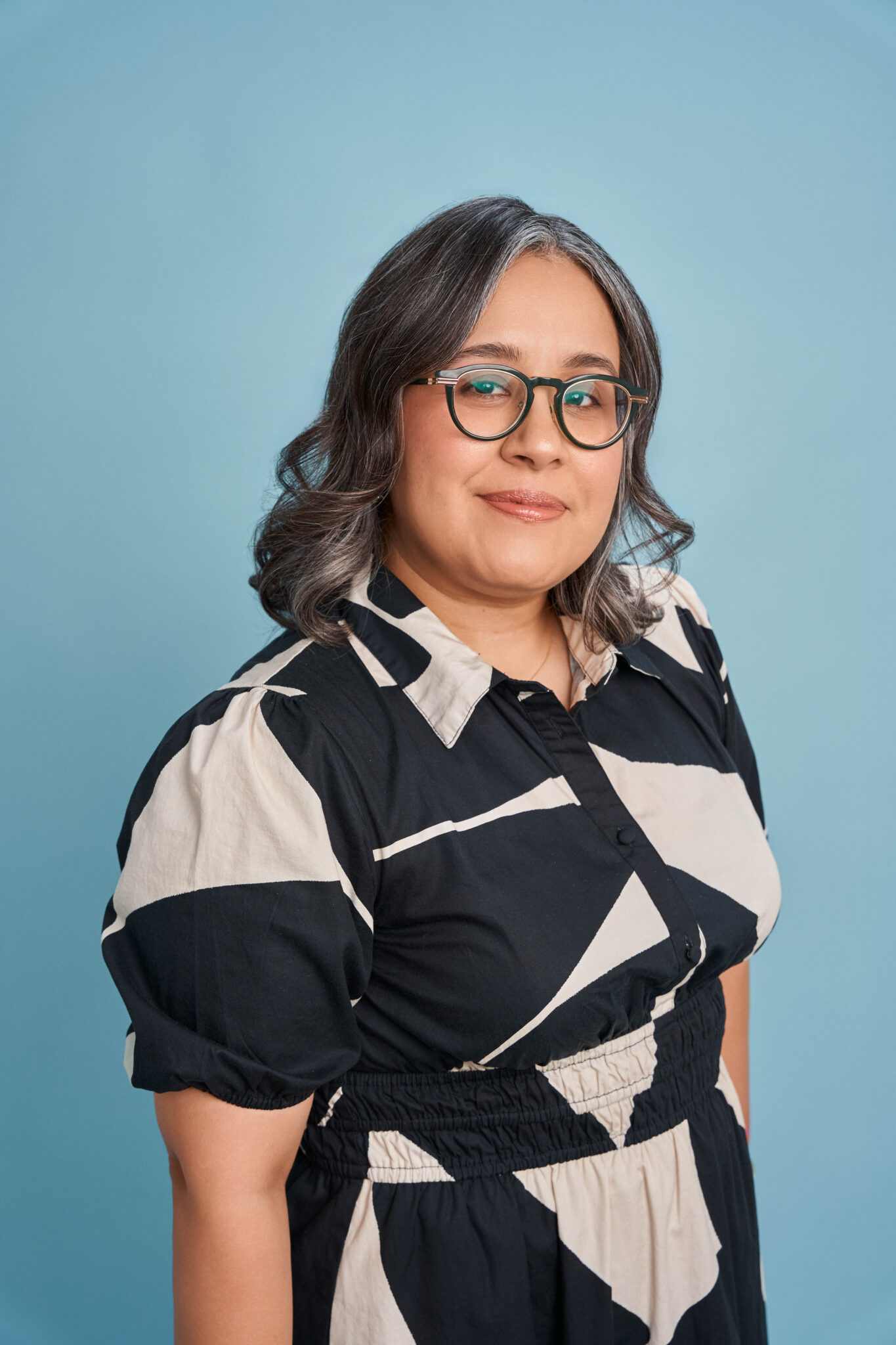
Photography by Ethan Good
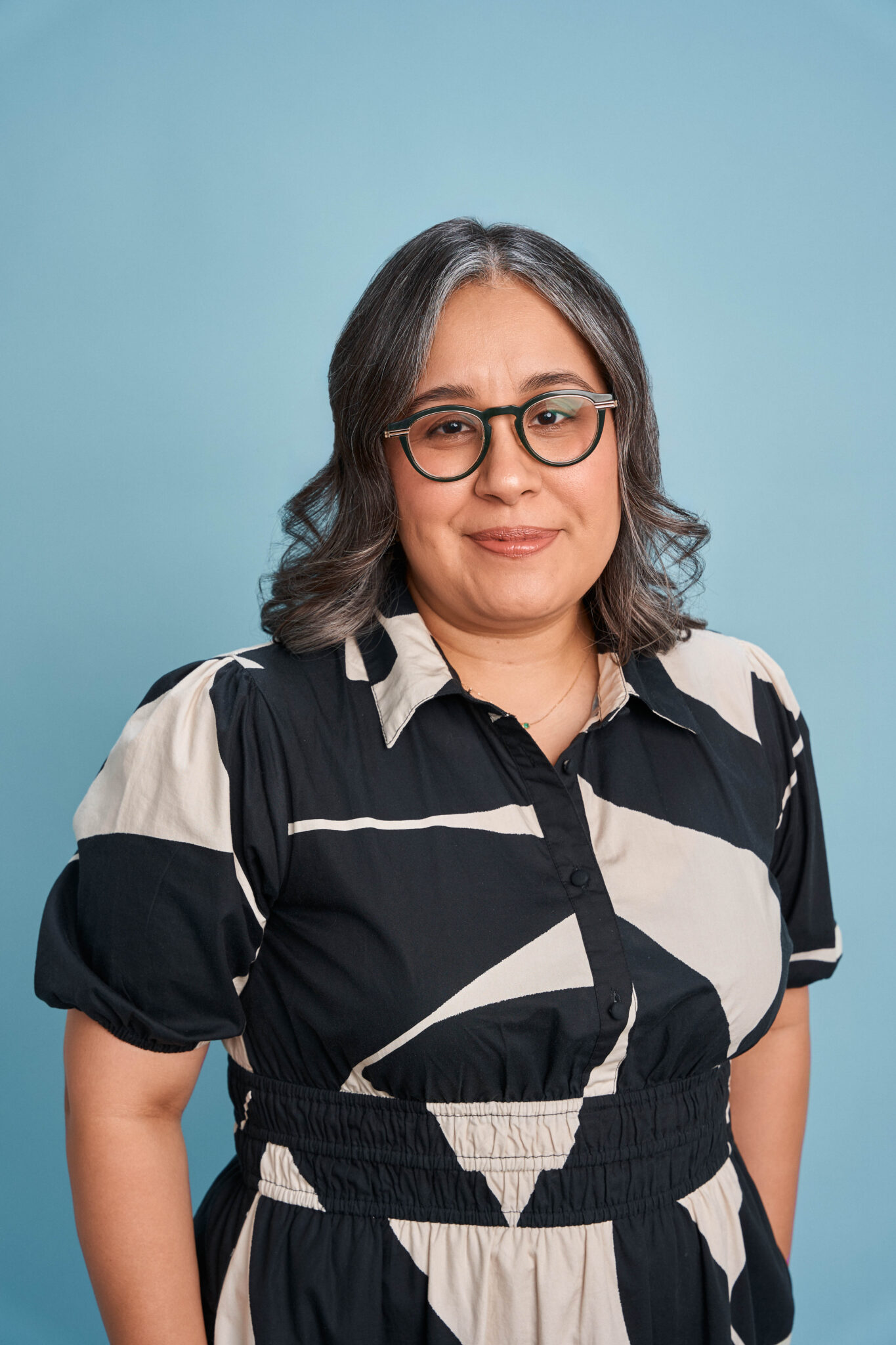
Now the executive director of Momentous Institute, Gomez brings a deeply personal lens to her leadership, shaped by her own struggles with anxiety and depression, her identity as a first-generation Mexican-American and her mission to create culturally responsive mental health care for families like the one she came from.
A Chicago native, Gomez moved to Dallas 14 years ago.
“So I’m a South Sider from Chicago, born and raised. Thought I was going to do my whole career there and give back to my community, given some of my lived experiences,” Gomez says. “I always say I became a psychologist when I started going to the park with my dad and sitting on the bench and having just that curious mind.”
She says her upbringing led to her interest and involvement in mental health services.
“The South Side of Chicago is a really diverse, robust, beautiful community with a rich history, but I also started to notice some things,” Gomez says. “Why did my family have to run across town to have healthy foods at a grocery store because it wasn’t available or that my parents had to pay for private school, which was such a significant burden for them, because the schools in my community were not safe for me. So a lot of those kind of differences in the community I lived in, I think, set me up for that trajectory.”
Gomez had her own struggles with mental health with anxiety and depression. As a first-generation Mexican-American, Gomez says it was a struggle to find a therapist who understood her culture and context.
“Mental health wasn’t something that my family talked about. It was hugely stigmatized,” Gomez says. “I know it is in many families, but in my family, you just don’t talk about those things. The vocabulary didn’t even exist in my language. I think I was 18 or so when I said, I’m going to make sure no one ever has to go through this. And so that set me up to become a psychologist.”
Gomez ended up in Dallas because she wanted to train in a community that had few resources. She learned that Texas had some of the highest rates of mental illness and very few psychologists, especially ones who speak Spanish.
She did her residency at Momentous Institute and fell in love with the work that they were doing.
“I felt like my voice was prioritized here,” Gomez says. “The psychologists that were training us said that in order for you to know how to value your client, you have to feel valued.”
Gomez started as an intern and worked her way up to the position she is in now. She was a psychologist for over 10 years, training others, working with families and at the school.
Four years ago, the position for executive director opened up, and Gomez realized that in its 100-year history, Momentous Institute had never had someone that looks like the community they serve lead the organization.
“I think I had significant support from staff and the families we serve that it was time that the organization was led by someone who had kind of walked a similar walk as our families had,” Gomez says. “It’s an incredible responsibility. I feel like I push myself to always make decisions based upon those voices that I’ve heard in the therapy room and in the classroom to make sure I’m always making decisions on what best benefits them. So, huge responsibility, incredible honor. And I love that the children who come here see me, and they can see themselves in me.”
Momentous Institute specializes in trauma-informed, culturally responsive, family-based mental health services for young people and their families.
“What makes us unique is that you don’t have to have insurance if you can’t financially afford it, families determine what they can afford to pay, whether that’s $10, full fee or scholarship, and we don’t have session limits,” Gomez says. “So treatment is really focused on their goals and helping them heal. And we’ve got 30 professionals, and in a year, more than 12,000 sessions of therapy to people who would otherwise not have.”
They offer services to children ages 0 to 15 and their families. All programming is offered in both English and Spanish, and there is no requirement to live in a specific ZIP code. Mental health services are offered in-person and via telehealth.
“If we start to recognize that mental health is a state of action, that there are small things you can do every single day that are manageable, whether it’s staying hydrated, going to sit at the park, meeting with a friend, moving your body, even if it’s just dancing in your kitchen, (because I do that very often), those are things I can do every day, right?” Gomez says. “It doesn’t have to be these huge, significant moves, but if you cultivate it little by little, that’s what we want to teach people. That’s what we teach our children in the school and in our services.”