On a 101-degree summer afternoon in many new Texas neighborhoods, the pavement almost glows from the heat. Finding shade isn’t just about comfort; it can feel necessary to make it through the day.
Now, step beneath the mature trees of an Oak Cliff neighborhood, and everything shifts. Sunlight softens as dogs stretch out on cooler grass. Butterflies flutter in the cooler air. The patchwork of tree cover looks like a living roof and is called an urban forest by scientists.
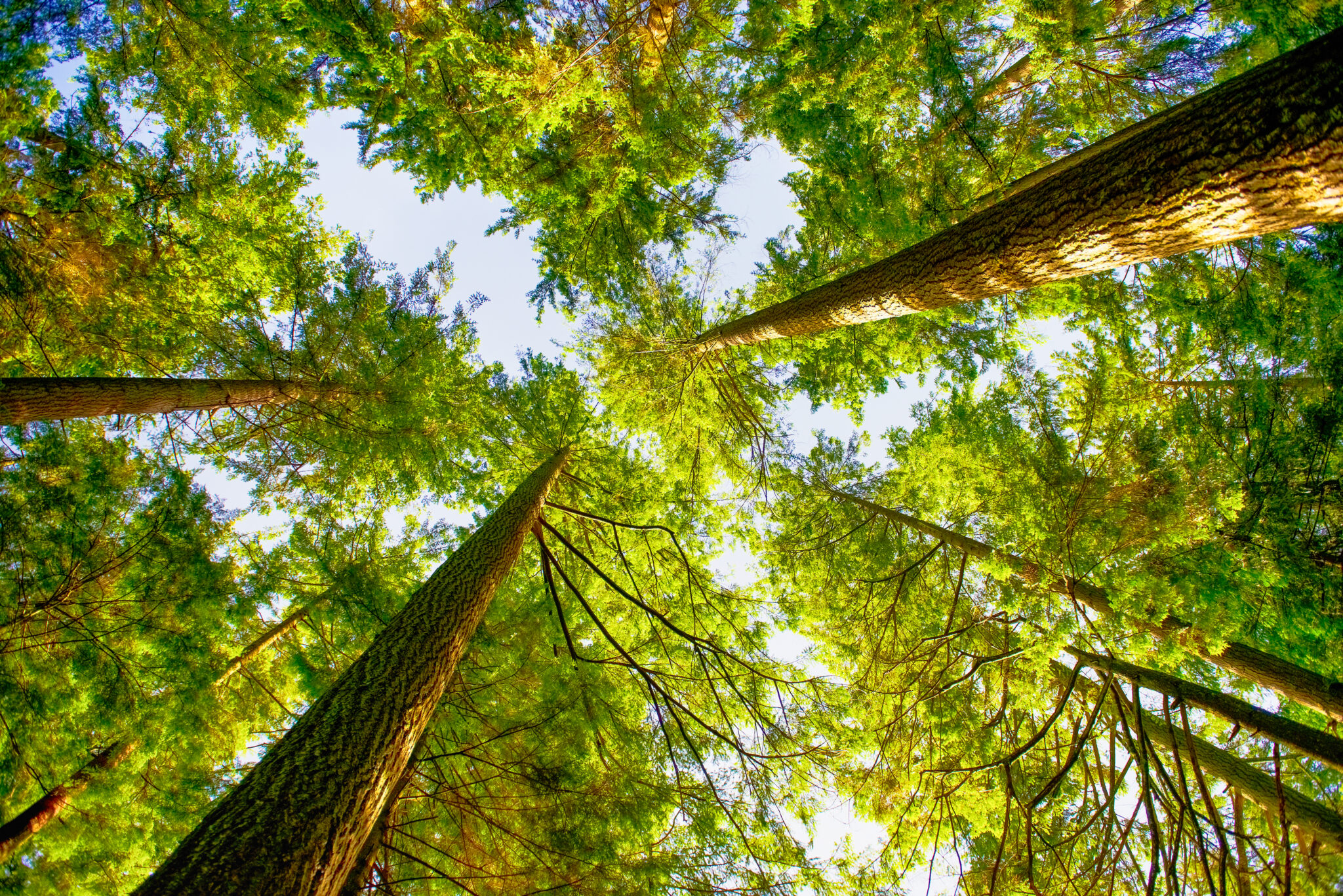
Trees influence how our neighborhoods take in heat, manage rain, provide homes for wildlife and develop their unique character.
The Heat Story
Imagine a nearby strip mall without shade, where the blacktop bakes in the 101-degree Texas heat. By 2050, Dallas could see 457% more days over 101.8 degrees Fahrenheit than in 1990, according to Climate Check.
Lannie McClelen, Southwestern Medical District program director at the Texas Trees Foundation, says, “Dallas has 35% impervious surfaces.”
In other words, more than a third of the city is covered with materials like concrete and asphalt that absorb heat during the day and slowly release it after sunset, intensifying what scientists call “the urban heat island effect.”
McClelen also describes the kind of local testing underway to better understand these conditions.
“We have placed sensors in the Southwestern Medical District measuring air temperature, wind speed, radiant heat, solar radiation and other aspects,” she says.
Now imagine the broad, shaded streets found in neighborhoods like Elmwood, Winnetka Heights and Kessler Park, which form urban forests. The trees lower heat absorption and cool the air through transpiration, which is the process of water vapor through a plant and later evaporating.
“With tree cover, we can reduce the temperature on our body by 15 degrees,” McClelen says.
This makes evening walks cooler, lowers energy use in equipment like air conditioners, and saves you money.
In a Texas summer, that difference is more than just appearance; you can feel it and measure it.
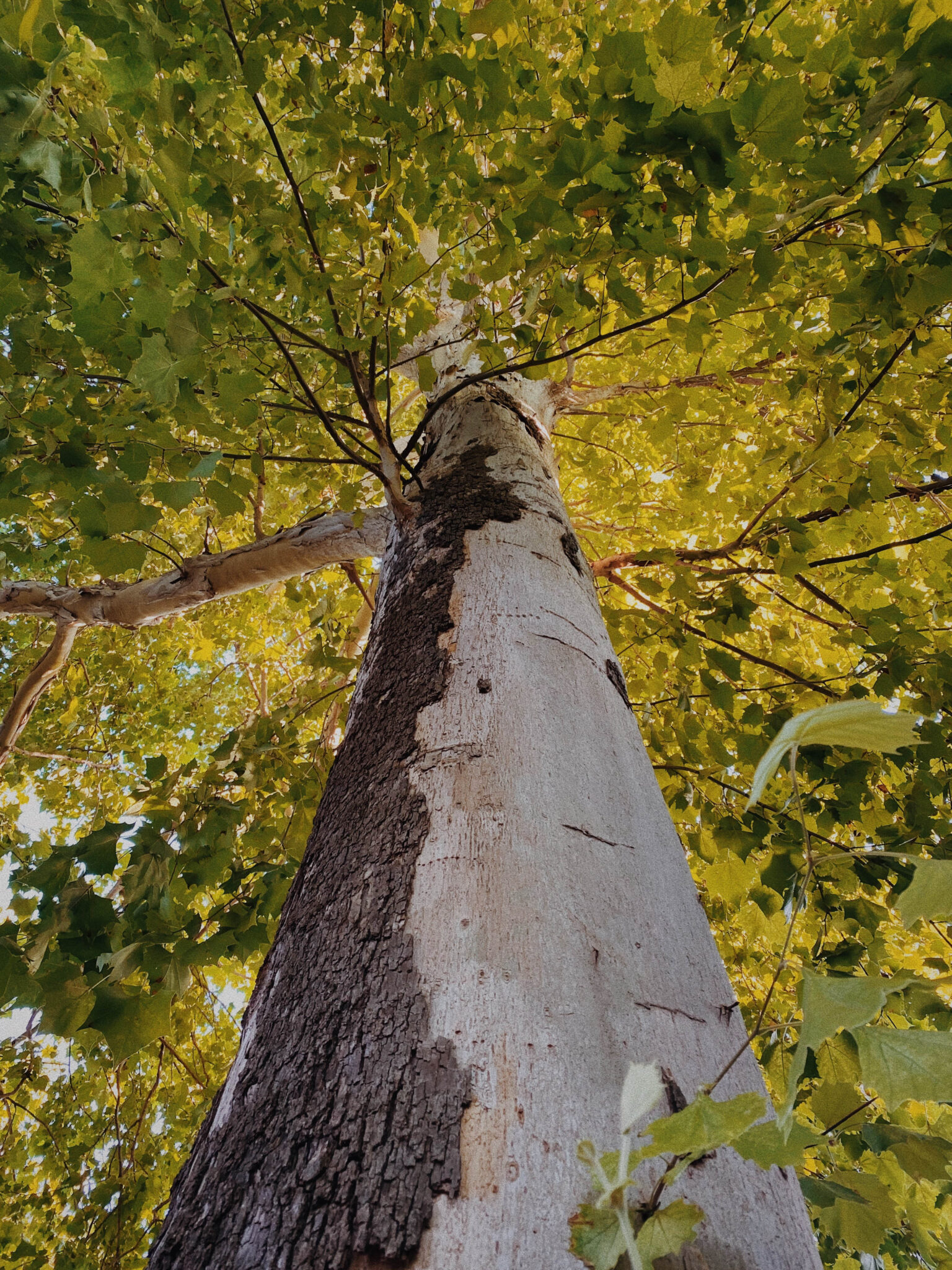
Photo by Lauren Allen
The Water Story
While trees are known for helping with heat, they are just as important during heavy rainstorms. Without plants, rain hits pavement, quickly runs into storm drains and causes more erosion and flooding.
One mature deciduous tree, such as an oak, can capture hundreds of gallons of stormwater each year.
“Instead of water going into the storm drains, which have measurable costs to a city’s storm system, trees slow rainfall with their leaves and branches, allowing water to seep into the ground and further reducing soil erosion through their roots,” Texas Trees Foundation community greening manager Emily Plauche says.
In our neighborhood, trees do more than give us shade.With Oak Cliff a part of the Trinity River watershed, they help prevent flooding, protect our watershed and lower the costs of managing stormwater.
The Neighborhood Story
Trees give Oak Cliff another gift you notice as soon as you step outside. Under their branches, life slows down and the neighborhood feels more relaxed.
Shaded sidewalks make walking easier. Porches stay comfortable. Kids can play outside without burning their feet on the pavement. Tree-lined streets feel calmer and more inviting.
“You’ll see it in all of the desirable neighborhoods,” says Emily Ruth Cannon, a realtor with Oak Cliff Real Estate Group at Compass.“Tree-lined streets don’t just beautify a neighborhood; they also increase home values quite a bit. And they improve walkability, which makes people in those communities feel more connected.” The tree canopy shapes daily life and gives our neighborhoods their unique character.
The Stewardship Story
People planted Oak Cliff’s trees because they believed in making the future better for everyone.
Today, these trees cool our streets during record heat, slow down stormwater before it reaches the Trinity, and provide shade that makes summer afternoons bearable for both people and animals.
Honoring that legacy means protecting mature trees, watering them during droughts, using mulch to retain moisture, avoiding root damage, removing invasive species and planting strong native trees. There are many ways to get involved right here in Oak Cliff.
Join a tree group or volunteer for local planting days. Contact the City of Dallas Forestry program to report sick or damaged trees and learn about free tree resources. Even small steps, like adding a native tree to your yard or helping care for a young sapling, can make a difference.
Step outside on your street and notice the shift. That cooler air and slower runoff, the patch of shade where a dog rests, none of it is accidental. It’s the result of care. And it will endure only if we continue that care together.
Alexander Kwapis lives in Elmwood and is a co-founder of Wild Dirt with Dennis Fiore. Their work has appeared in Forbes, Fast Company, Flow Trip and other publications. Wild Dirt tells stories, supports conservation, and creates well-designed products.