The Trinity Trust will host a red carpet event for the premiere of the film “Calatrava Student Constructors” this coming Monday, Jan. 23 at the Texas Theatre.
The movie documents a dozen students from local public and private schools, including Townview and Bishop Dunne, building a 20-by-8-foot replica of Dallas’ Margaret Hunt Hill Bridge in one day. The students were selected to be engineers for a day.
“Everything about this project is awe-inspiring, but I think what appeals to me the most is the math and science (engineering) that goes into it,” says Angelica Sanjuan, a Townview student who participated in the project. “I guess the best way to describe it is ‘wow.’ ”
The replica was constructed at The Trinity Trust office, where actual models and maps of the project are housed. Emmy award-winning producer Judy Kelly created the “educational outreach film”.
Part of the event is a panel discussion comprised of people who had a hand in building the actual Margaret Hunt Hill Bridge, including: Duane Milligan of the Texas Department of Transportation; Rebecca Rasor of the Trinity River Project/City of Dallas; and Bill Doreen of Williams Brothers Construction. They will answer questions about the bridge, and the architecture and construction methods that went into its completion.
RSVPs are required for the event with a $10 donation suggested. The evening begins at 6 p.m. with a reception, followed by the first movie screening at 6:30 p.m. and the panel at 7 p.m., then the second and final screening of the movie.
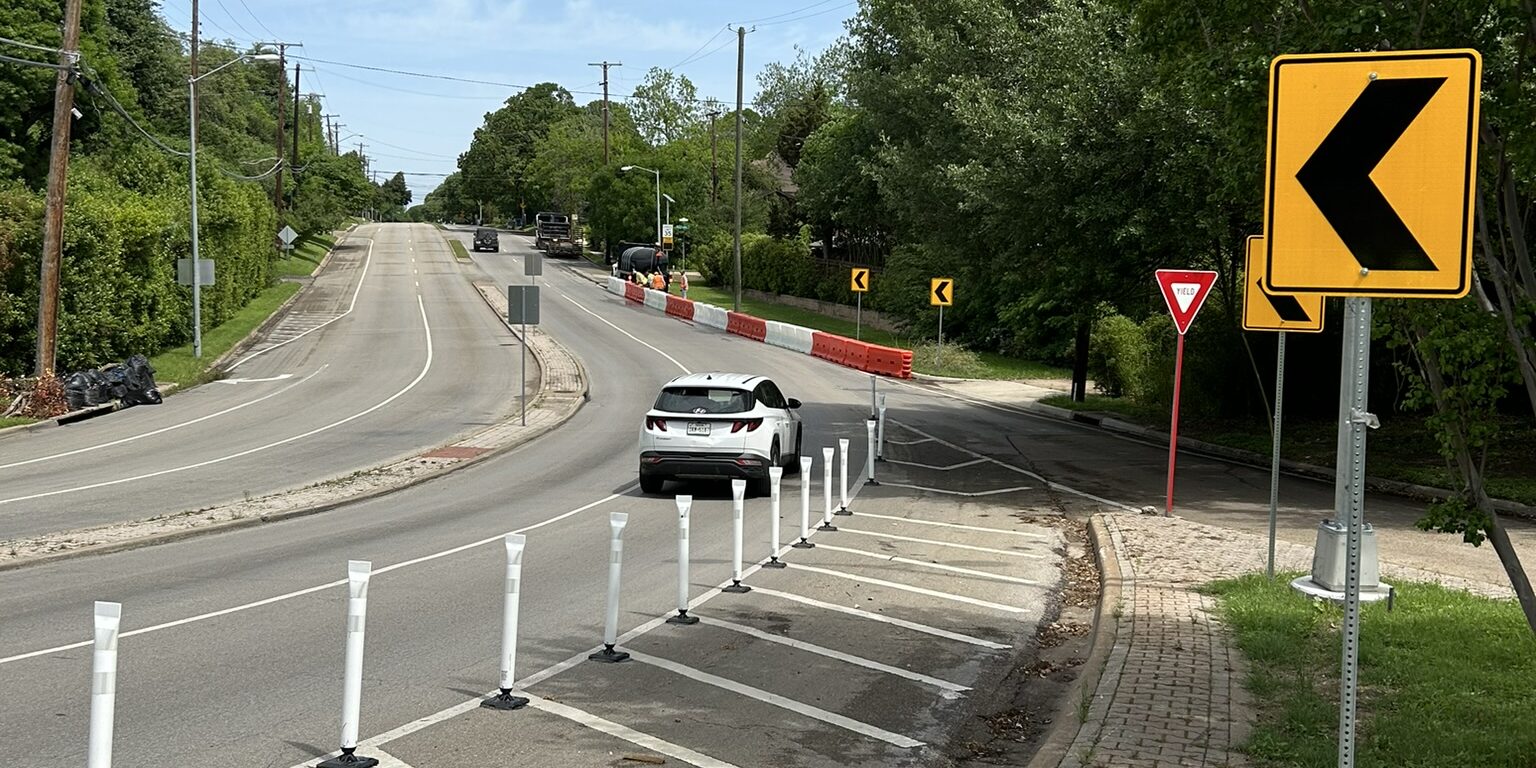
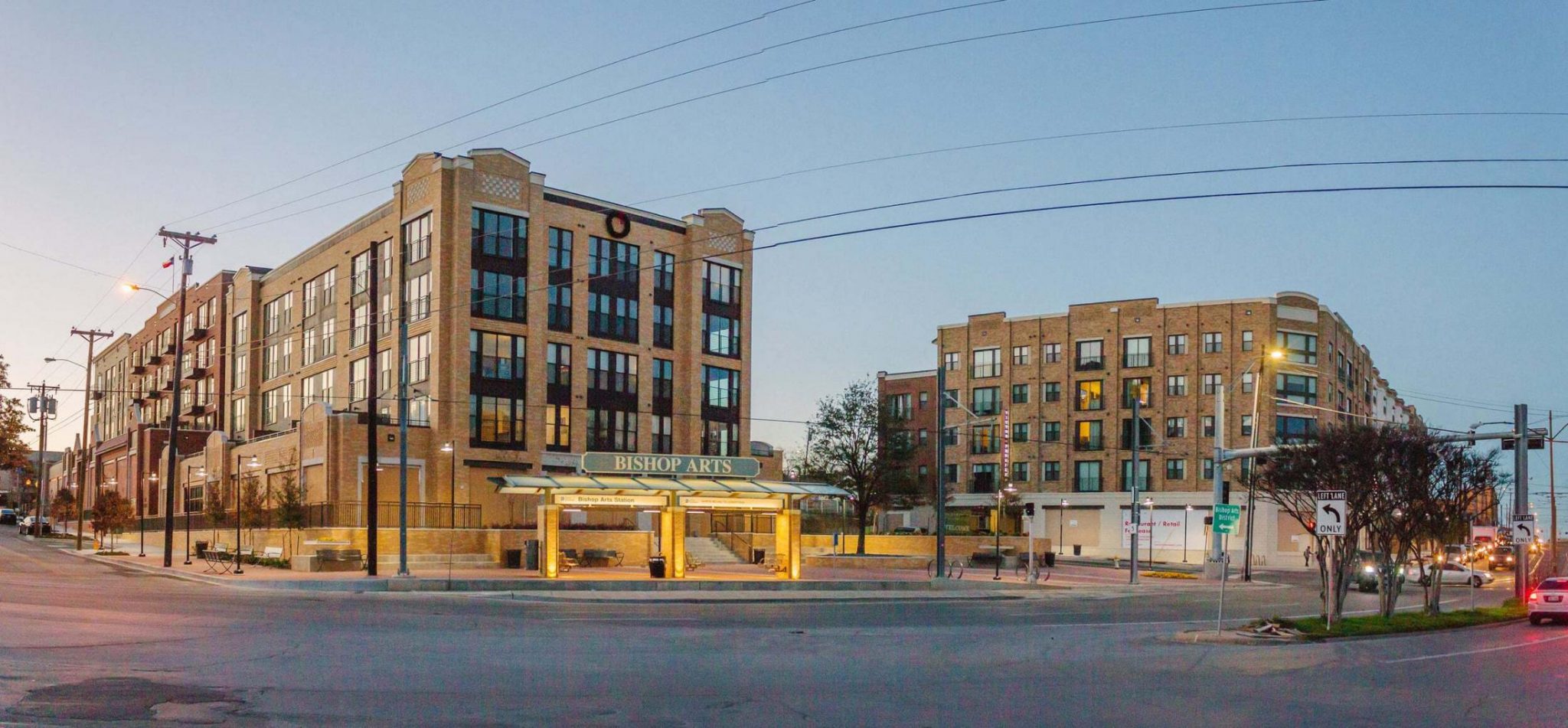
A $3.2 million street improvement project on Bishop Avenue will result in bike lanes, fewer lanes for cars, better sidewalks, more lighting, tree plantings and benches. It is expected to be completed in April, City Council member Delia Jasso announced at a meeting Tuesday night.
Construction started on the project, which stretches from Colorado to Jefferson, this past summer, and it is being funded through a bond program. Crews replaced 50-year-old sewage and sanitation pipes beneath the street, which was the most expensive part of the project, Jasso says.
The city plans to install 100 vintage streetlights along the street, she says.
Jasso also is working on drafting a proposal for a Planned Development District on Jefferson Boulevard. Stakeholders, including the Texas Theatre’s management company, El Padrino Taquería owner Juan Contreras, real estate investor Charlcye Bryson and other business owners are helping to draft the proposal.
Social media can forge relationships, improve efficiency, boost business and promote safety in the neighborhood. But not everyone is on board.
Dirt is going to start turning at Sylvan | Thirty.
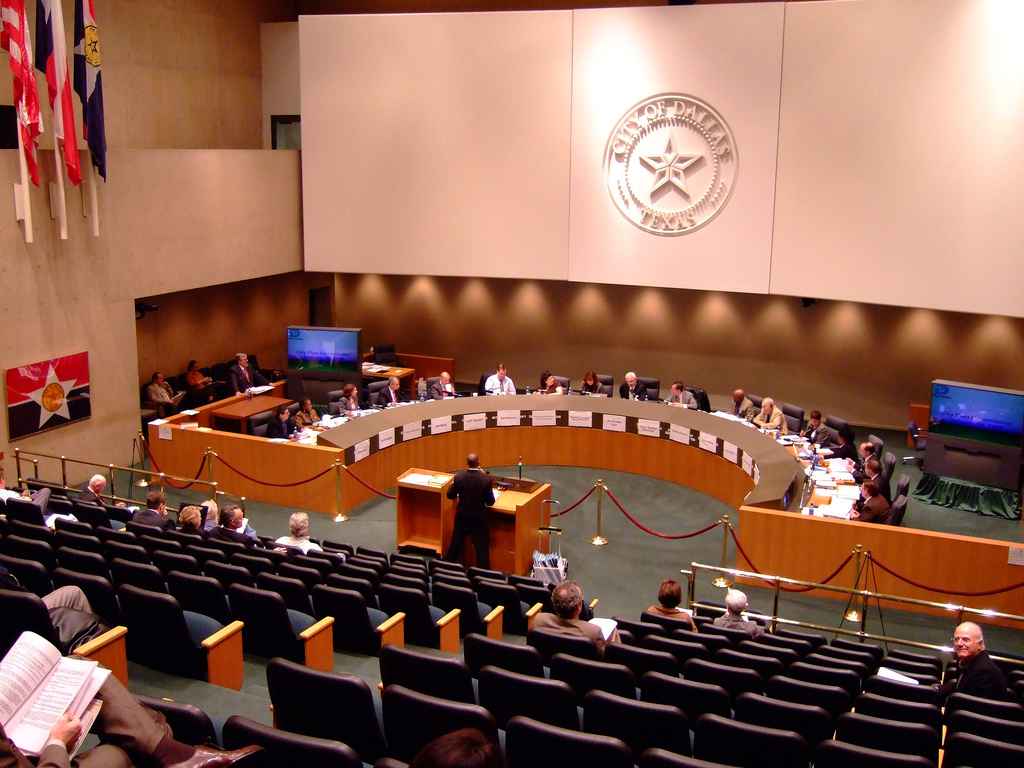
City Council approved Oaxaca Partners’ request for a zoning change that will allow 70-foot tall buildings, among other considerations. A few people spoke against the zoning change, including Belmont Hotel owner Monte Anderson and Fort Worth Avenue Development Group president David Lyles. Opponents of the plan say the city should not be making changes to the planned development district, put in place about 10 years ago to define what type of developments neighbors wanted for Fort Worth Avenue.
Unfair Park has more details about what went down in City Hall chambers before the change was approved Wednesday.
Brent Jackson of Oaxaca says he now is working to finalize construction drawings, and then site work can begin. It should be about five months before building starts.
Cox Farms Market, anchor tenant for Sylvan | Thirty, had been slated to open in November 2012. That’s still the official date, but Jackson says it is likely to take several months longer. So we could be looking at early 2013 for Cox Farms in Oak Cliff.
UPDATE: Rudy Bush has the whole speech Monte Anderson wrote but which the mayor wouldn’t allow him to finish. Go read it.
Thanks to the ongoing Texas drought, the City of Dallas begins restricting landscape watering today (Dec. 12). Home or businesses with addresses ending in odd numbers can water lawns Saturdays and Wednesdays only; addresses ending in even numbers can water Thursdays and Sundays. And no one can water between the hours of 10 a.m. and 6 p.m.
If you are one of those people inclined to narc a neighbor or neighboring business out, fines for violations range from $250 to $2,000 per incident, according to the city’s website, with the first violation likely resulting in a warning only.
The Stevens Park pavilion was constructed in the late 1930s by the Works Progress Administration, one of five such historic structures in the city. (Visit the city’s Park and Recreation website and click on the “Park Pavilions of Dallas” to read about all of them, including the one at Lake Cliff and Kiest parks.)
The city determined that the stone pavilion, located close to the creek, was “suffering from extreme foundation stress” and had sunk roughly four feet, says Trent Williams, a Park and Recreation Department senior architect and the project’s manager. That kind of sinkage for this kind of structure “borders on catastrophic,” Williams says.
The city did tests and learned that rebuilding the pavilion at least 25 feet away from its current location would give it better footing. So it is being rebuilt, stone by stone, over the next several weeks, and this time will have a drilled pier foundation.
“As much as possible,” Williams says, “the contractor is re-using the old stone exactly as it was originally placed and the pavilion will look exactly like it was originally built.”
Robert Wilsonsky with the Observer and Rudy Bush with the DMN have been talking about this latest Dallas Citizen’s Council video, touting all of the great things happening here in the city. It’s a slick video that’s probably worth the five minutes of your time it will take to watch it.
The video’s premise is that Dallas has invested during the tough times in infrastructure and other projects that will allow us to take off like a rocket ship when the inevitable good times come around again. Cited, of course, as the Dallas Convention Center hotel, the Calatrava bridge, the Downtown revitalization projects, the Woodall Rogers deck park and a bunch of other nice pictures.
I can’t take issue with the hope that our taxpayer-funded investments will pay off big when the economy turns around. The video is nice and it kind of leaves me pumped up after watching it. I don’t think I’m going to be running through any brick walls today, though.
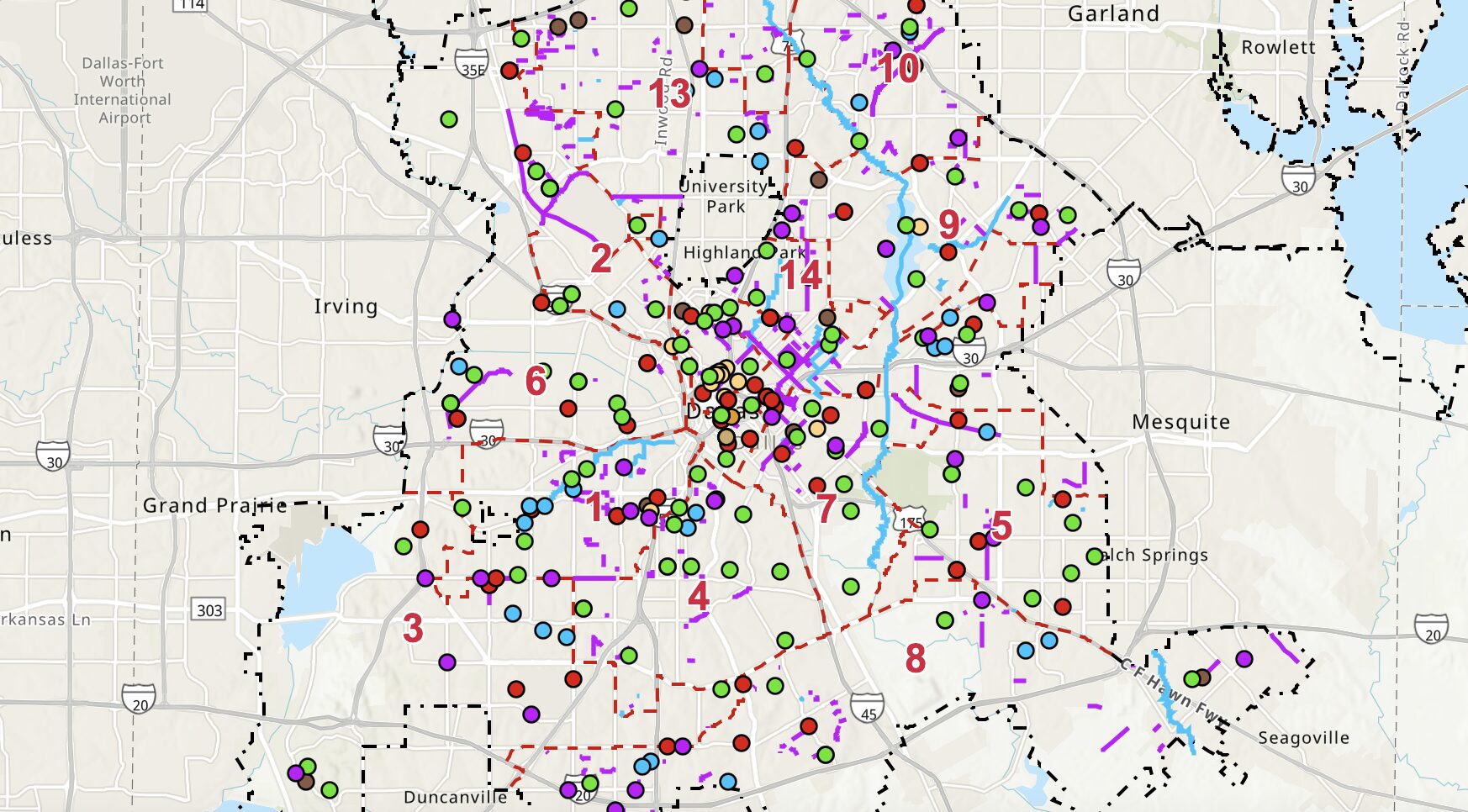
Oak Cliff and West Dallas city council members Scott Griggs, Delia Jasso and Monica Alonzo host a meeting to provide updates on redistricting at 6:30 tonight in the Weiss Auditorium at Methodist hospital. The Latino Redistricting Task Force, which recently visited the Department of Justice, will give a report.
The deadline to comment about redistricting is Wednesday, Dec. 7. An online petition is available here. Anyone may also sent comments by U.S. mail to:
Chief, Voting Section, Civil Rights Division
United States Department of Justice, Room 7254–NWB
950 Pennsylvania Avenue, NW
Washington, DC 20530
or by carriers other than the U.S. Postal Service:
Chief, Voting Section, Civil Rights Division
United States Department of Justice, Room 7254–NWB
1800 G Street, NW
Washington, DC 20006
The first page and the envelope should be marked: ‘‘Comment under Section 5 of the Voting Rights Act.’’ In the subject line, write: Dallas, TX 2011-4417.
Also this week is a meeting related to possible post office closing. The U.S. Postal service is considering closing many post offices, including the Main Post Office at Interstate 30 and Sylvan. Meet from 6-8 p.m. Wednesday, Dec. 7 at the Mountain View Community College student auditorium.
The reason the stately homes in this historic district are still standing is the blood, sweat and tears of these and many other urban pioneers.
What is form-based zoning, and how is it being used in the Oak Cliff Gateway plan? Those questions will be answered in a meeting at 7 tonight, Nov. 16, at Turner House.
The Old Oak Cliff Conservation League and the Dallas Homeowners League invited two experts, Virginia McAlester and Peer Chacko, to explain form-based zoning to neighbors.
McAlester is an author, preservationist and form-based zoning advocate. She will explain the history of form-based zoning, its cost effectiveness and usefulness in fostering community.
Peer Chacko is assistant director of the city’s Development Services department. He will explain and answer questions about the more technical aspects of form-based zoning.
The seminar is free and open to the public.